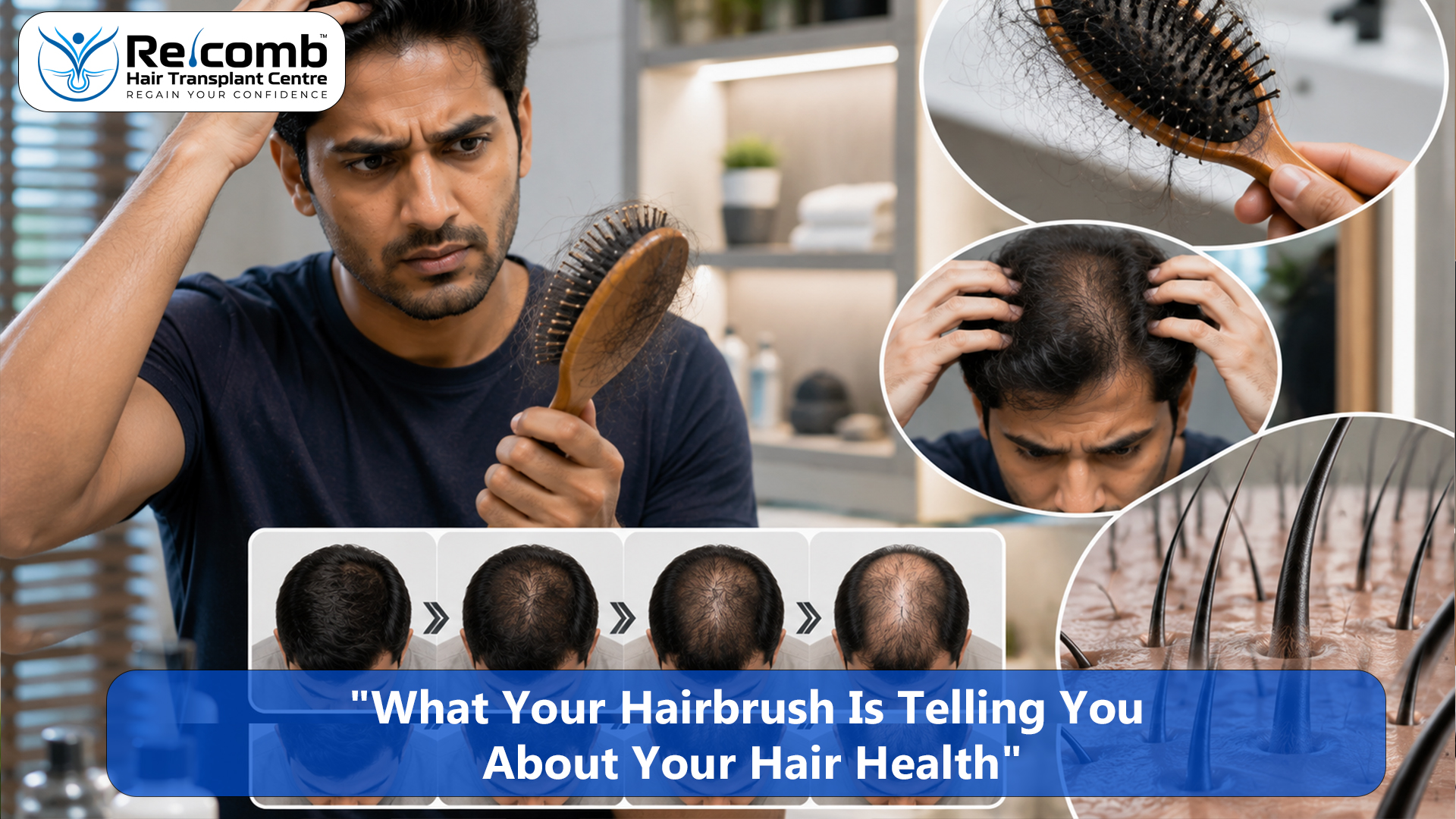
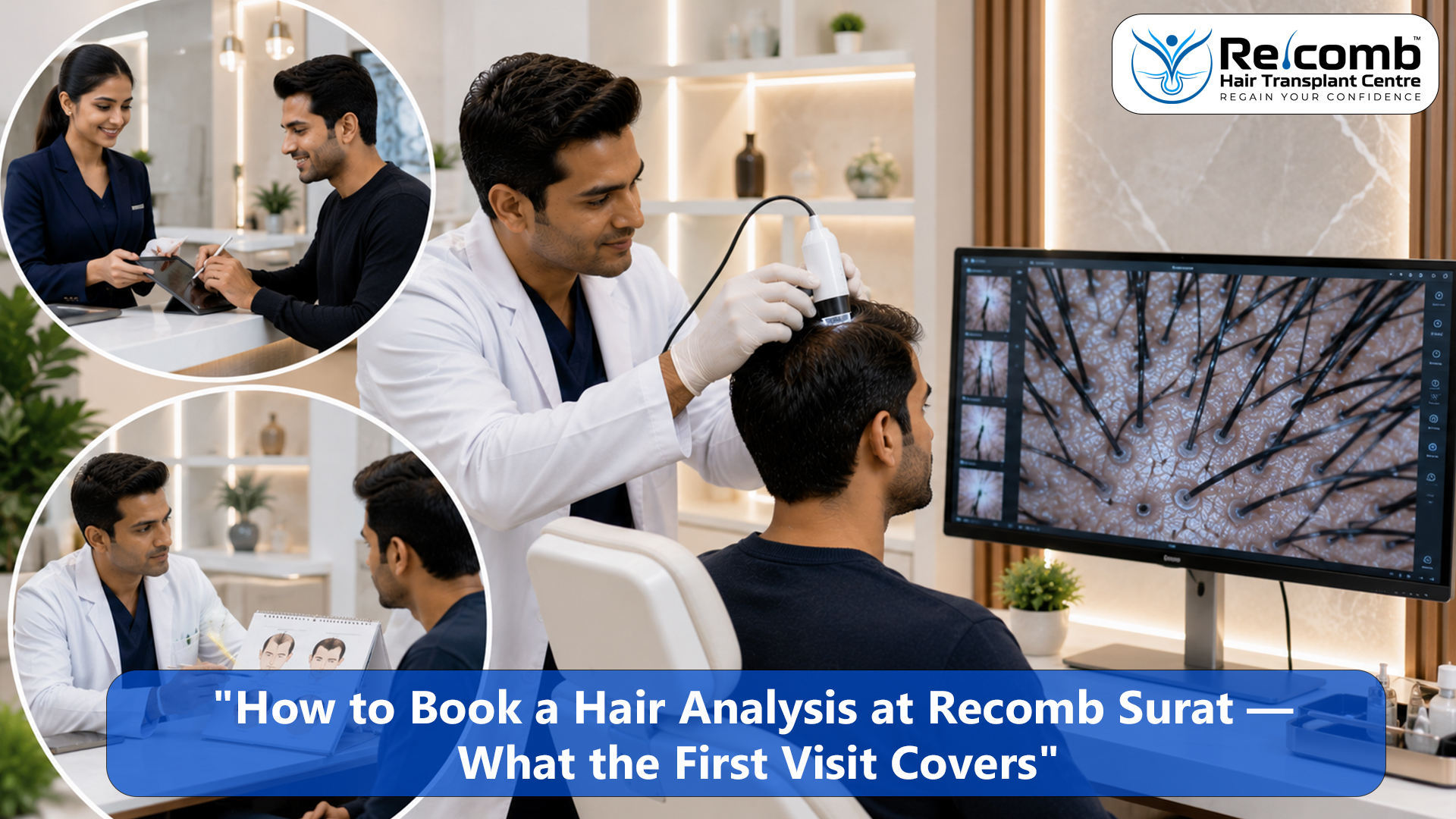
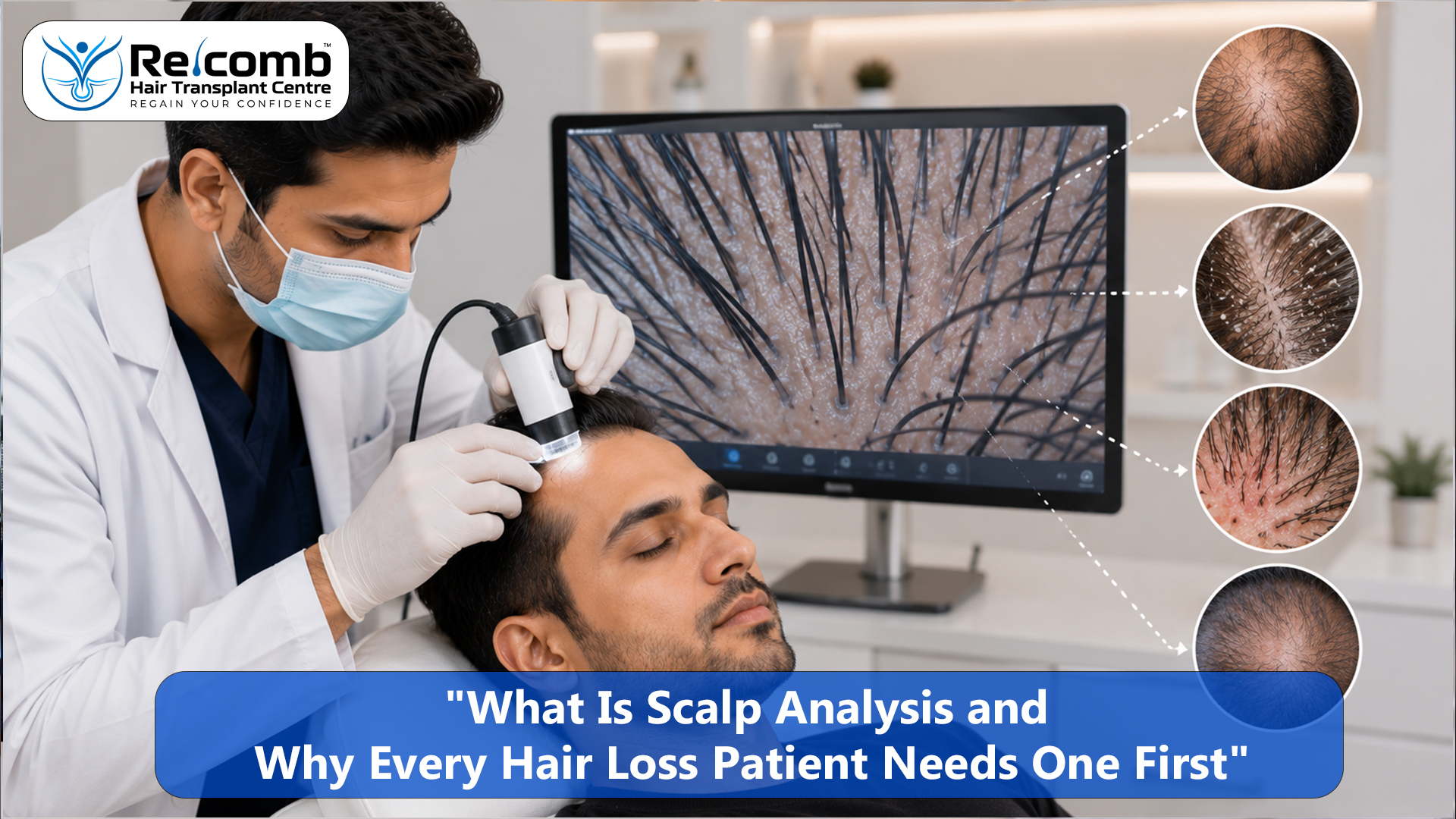
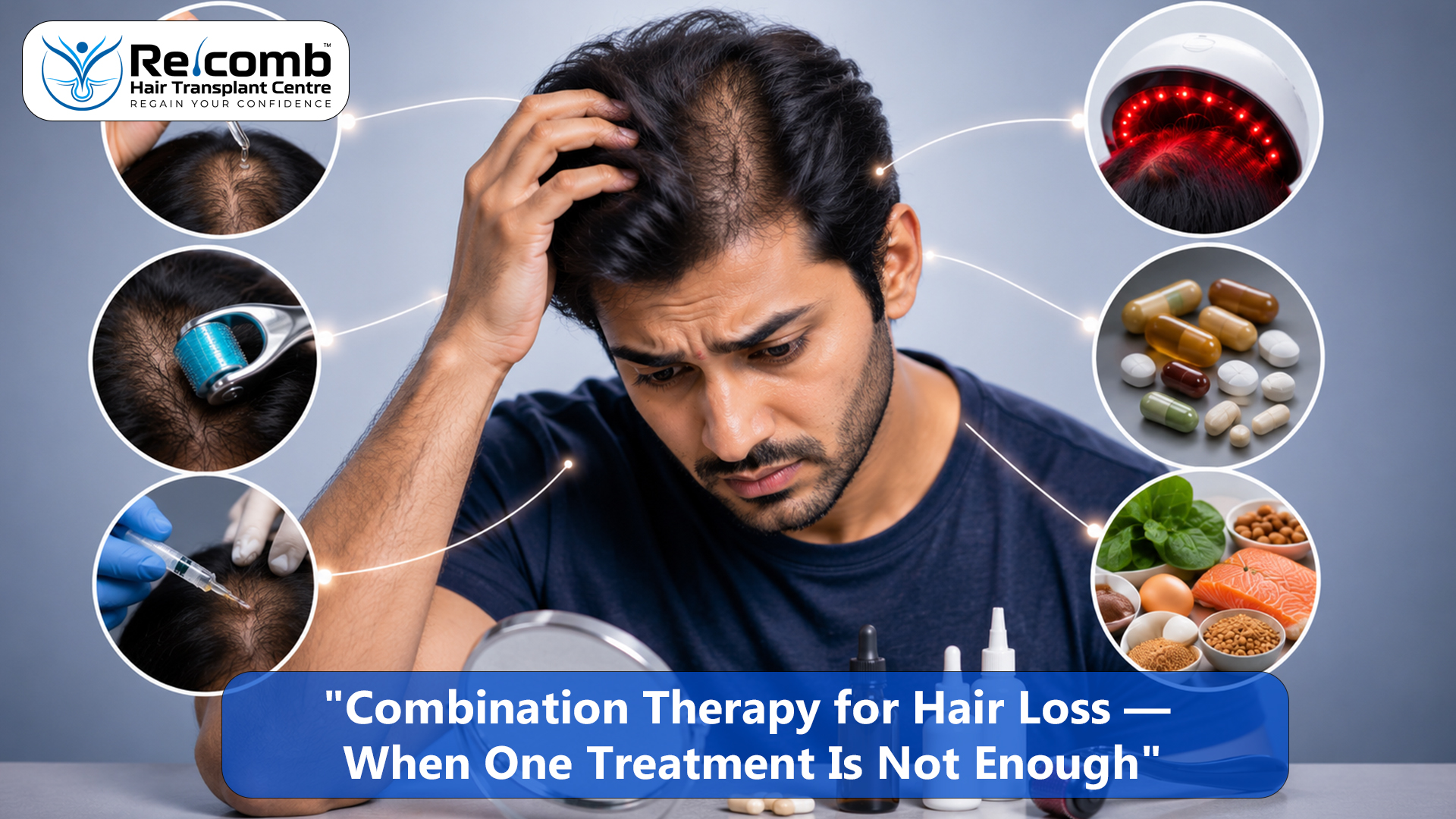
Hair fall is common, but not all hair loss is normal. Many people ignore early warning signs, assuming shedding will stop on its own. Unfortunately, by the time they seek help, significant and irreversible hair loss may have already occurred.
At RECOMB Hair Transplant Centre, Surat, we strongly believe that early medical consultation can prevent permanent hair loss. This guide helps you understand when hair fall is normal and when it requires a doctor’s evaluation.
What Is Considered Normal Hair Fall?
Losing 50–100 hairs per day is considered normal as part of the natural hair cycle.
Normal hair fall usually:
Is evenly distributed
Does not cause visible thinning
Does not change the hairline
Resolves within a few weeks
This type of shedding does not require medical treatment.
Warning Signs That You Should Consult a Doctor
1. Excessive Hair Fall for More Than 6–8 Weeks
If hair shedding continues beyond two months, it may indicate an underlying issue such as nutritional deficiency, hormonal imbalance, or early pattern hair loss.
2. Visible Thinning or Widening of Hair Part
If your scalp becomes more visible or the hair part widens, medical evaluation is essential.
3. Receding Hairline or Temple Thinning
Gradual recession at the temples is often an early sign of androgenetic alopecia, which requires early medical intervention.
4. Sudden Patchy Hair Loss
Round or oval bald patches may indicate alopecia areata, an autoimmune condition that needs prompt treatment.
5. Hair Fall After Illness, Surgery, or Stress
This may be telogen effluvium, which is reversible but requires diagnosis and monitoring.
6. Hair Loss with Itching, Scaling, or Redness
Scalp conditions like fungal infection, psoriasis, or dermatitis can damage follicles if untreated.
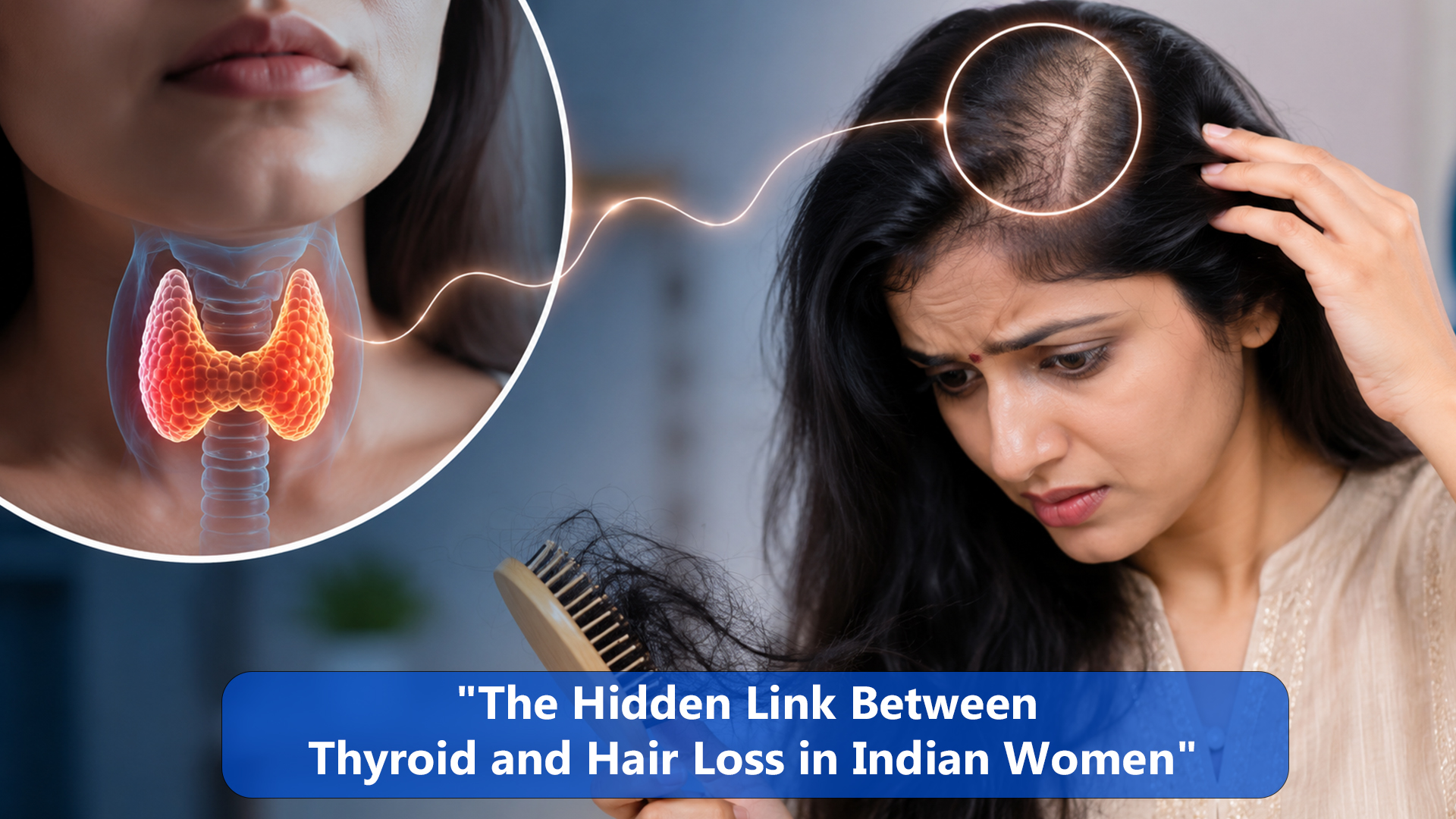
7. Hair Loss Along with Other Symptoms
Hair fall combined with:
Fatigue
Weight changes
Menstrual irregularities
Acne or excessive facial hair
may indicate hormonal or thyroid disorders.
8. Family History of Baldness
If hair loss runs in your family, early consultation allows preventive treatment before visible baldness develops.
Why Early Consultation Matters
Early diagnosis allows:
Preservation of existing follicles
Slowing or stopping genetic hair loss
Avoiding unnecessary supplements
Preventing progression to baldness
Reducing the need for surgery later
Once follicles are permanently lost, only hair transplant can restore them.
What Happens During a Hair Loss Consultation?
At RECOMB Hair Transplant Centre, a hair loss consultation includes:
GFC (Growth Factor Concentrate) therapy is widely promoted as an advanced solution for hair fall and thinning. Many patients therefore ask an important question:
Can GFC therapy regrow hair that is already lost?
The answer requires a clear understanding of hair follicle biology, the mechanism of GFC, and the stage of hair loss. At RECOMB Hair Transplant Centre, Surat, we focus on setting realistic expectations based on medical science, not marketing claims.
What Is GFC Therapy?
GFC is a next-generation regenerative treatment where pure growth factors are extracted from a patient’s own blood using a specialized filtration process.
GFC contains:
Platelet-derived growth factors
Vascular endothelial growth factors
Epidermal growth factors
Anti-inflammatory mediators
Unlike PRP, GFC is cell-free, more concentrated, and causes minimal inflammation.
How GFC Works on Hair Follicles
Hair follicles cycle through growth (anagen), resting (telogen), and shedding phases.
Biotin supplements are among the most commonly used products for hair fall. Social media, influencers, and over-the-counter brands often promote biotin as a “hair growth vitamin.”
But the real question is:
Does biotin actually regrow hair, or is it overrated?
At RECOMB Hair Transplant Centre, Surat, we rely on medical evidence rather than trends. This article explains what biotin truly does, who actually benefits from it, and when it does absolutely nothing.
What Is Biotin?
Biotin (Vitamin B7) is a water-soluble B-complex vitamin that plays a role in:
Keratin production
Fat and protein metabolism
Hair shaft strength
Nail and skin health
It is an essential nutrient, but not a growth hormone.
What Biotin Can Actually Do for Hair
Biotin helps hair only if there is a deficiency.
In biotin-deficient individuals, supplementation can:
Reduce hair breakage
Improve hair shaft thickness
Improve nail strength
Reduce diffuse shedding
This improvement happens because hair quality improves, not because new follicles are created.
GFC (Growth Factor Concentrate) therapy has become one of the most effective non-surgical treatments for hair thinning and early hair loss. Many patients who undergo GFC treatment ask a common and important question:
“Do I still need to use minoxidil after GFC?”
The answer is not the same for every patient. At RECOMB Hair Transplant Centre, Surat, post-GFC treatment plans are customized based on hair loss type, severity, and long-term goals.
This article explains when minoxidil is required, when it is optional, and when it may not be necessary at all.
Understanding the Role of GFC
GFC is an advanced regenerative therapy that uses concentrated growth factors extracted from your own blood.
GFC works by:
Strengthening weak hair follicles
Improving blood supply to the scalp
Reactivating dormant follicles
Reducing inflammation around hair roots
It directly improves follicle health and hair thickness, especially in early to moderate androgenetic alopecia.
What Does Minoxidil Do?
Minoxidil is a topical hair growth stimulant.
Its primary actions include:
Increasing blood flow to hair follicles
Prolonging the growth (anagen) phase
Reducing hair shedding during telogen phase
Minoxidil does not treat the root hormonal cause of hair loss but supports hair growth mechanically and physiologically.
Is Minoxidil Mandatory After GFC?
Short Answer: No, Not Always
Minoxidil is not mandatory for every patient after GFC treatment.
Whether it is required depends on:
Stage of hair loss
Stability of hair fall
Genetic risk
Patient tolerance and compliance
When Minoxidil IS Recommended After GFC
Minoxidil is usually advised after GFC if:
1. Hair Loss Is Active or Progressive
If shedding is ongoing or miniaturization is visible, minoxidil helps maintain the gains achieved by GFC.
2. Moderate Androgenetic Alopecia
Patients with Norwood Grade 2–3 benefit from combination therapy to slow progression.
3. Diffuse Thinning
Minoxidil helps improve overall scalp coverage and uniform density.
4. Post–Hair Transplant + GFC
Minoxidil protects surrounding native hair and supports regrowth.
When Minoxidil May NOT Be Required After GFC
Minoxidil may be avoided or deferred if:
1. Very Early Hair Loss
Patients with minimal thinning and good follicle strength may maintain results with GFC alone.
2. Minoxidil Intolerance
Some patients experience irritation, dryness, or increased shedding and prefer non-minoxidil protocols.
3. Excellent Response to GFC
If hair density, thickness, and shedding improve significantly, maintenance may be possible without minoxidil under supervision.
Does GFC Replace Minoxidil?
No. GFC does not replace minoxidil in all cases.
GFC repairs and rejuvenates follicles
Minoxidil stimulates growth cycles
They work through different mechanisms and are often synergistic, not interchangeable.
At RECOMB, GFC is used to reduce dependency on long-term medications where possible, but not at the cost of results.
What Happens If You Stop Minoxidil After GFC?
Stopping minoxidil may lead to:
Gradual shedding of minoxidil-dependent hair
Loss of growth stimulation effect
Return of genetic hair loss progression
However, if follicles are stabilized with GFC and medical maintenance, some patients can successfully taper or avoid minoxidil.
This decision must always be individualized.
RECOMB’s Ethical Post-GFC Approach
At RECOMB Hair Transplant Centre, post-GFC plans follow these principles:
No forced lifelong minoxidil
Evidence-based combination therapy
Regular scalp assessment
Tapering strategies where possible
Patient comfort and compliance prioritized
We do not follow a one-size-fits-all protocol.
Final Medical Conclusion
Minoxidil is not compulsory after GFC treatment, but it is beneficial in many cases.
GFC strengthens and repairs follicles
Minoxidil supports continuous growth
Combination therapy often gives the best long-term results
The correct approach depends on your diagnosis, stage of hair loss, and response to treatment.
At RECOMB, the goal is not dependency—but sustainable, natural hair recovery.
Hair loss treatment has evolved rapidly over the last decade—from basic medicines to PRP, GFC, and advanced hair transplantation techniques. One of the newest and most discussed innovations is Exosome Therapy.
Marketed as a regenerative, stem-cell–derived solution, exosome therapy has gained global attention for its potential to stimulate hair follicles at a cellular level. But is it truly the future of hair loss treatment, or just early-stage science with marketing hype?
At RECOMB Hair Transplant Centre, Surat, we believe in evidence-based medicine. This article explains what exosome therapy really is, where it stands today, and how it fits into modern hair restoration.
What Are Exosomes?
Exosomes are microscopic extracellular vesicles released by cells, especially stem cells.
They act as biological messengers, carrying:
Growth factors
Proteins
mRNA and microRNA
Signaling molecules
These signals influence cell repair, inflammation control, and tissue regeneration.
In hair biology, exosomes aim to reactivate dormant follicles and improve the scalp environment.
How Exosome Therapy Works for Hair Loss
In androgenetic alopecia, follicles gradually shrink due to hormonal and inflammatory signals.
Exosome therapy works by:
Reducing scalp inflammation
Improving follicle cell communication
Stimulating dermal papilla cells
Supporting transition from resting to growth phase
Unlike PRP, exosomes are cell-free and contain highly concentrated signaling molecules.
Exosome Therapy vs Existing Treatments
Exosome Therapy vs PRP
Feature
Exosome Therapy
PRP
Source
Stem-cell derived
Patient’s own blood
Growth Factor Consistency
Very high
Variable
Inflammation
Minimal
Moderate
Sessions Required
1–3
4–8
Evidence Level
Emerging
Well-established
Exosome Therapy vs GFC
Feature
Exosome Therapy
GFC
Concentration
Extremely high
High
Regulation
Limited
Better standardized
Predictability
Still evolving
More predictable
Cost
Very high
Moderate
Exosome Therapy vs Hair Transplant
Exosomes cannot create new follicles
Hair transplant restores lost hair permanently
Exosomes may support maintenance and early thinning
Who May Benefit from Exosome Therapy?
Exosome therapy may be suitable for:
Early-stage androgenetic alopecia
Diffuse thinning
Patients intolerant to oral medications
Post-hair-transplant maintenance
Inflammatory scalp conditions
It is not suitable for:
Completely bald areas
Advanced hairline recession
Grade 4–7 baldness as standalone therapy
Scientific Reality: Is It Proven Yet?
Current status of exosome therapy:
Promising lab and early clinical data
Limited large-scale human trials
No universal protocol or dosage standard
Regulatory status varies by country
This means exosome therapy is experimental-adjacent, not yet a gold standard.
Risks and Limitations
Important considerations:
Expensive treatment
Variable product quality globally
Lack of long-term outcome data
Not a replacement for proven therapies
Requires strict medical sourcing and protocols
At RECOMB, patient safety and scientific validation take priority over trends.
Is Exosome Therapy the Future?
Yes—but with conditions.
Exosome therapy represents the next generation of regenerative medicine, but it is best viewed as:
A future adjunct therapy
A complement to PRP, GFC, and medicines
A possible maintenance option after transplant
It is not a replacement for hair transplant or established medical treatments at present.
RECOMB’s Evidence-Based Approach
At RECOMB Hair Transplant Centre, Surat, we believe:
Innovation must follow evidence
New therapies must be ethically introduced
Patient education comes before marketing
We continuously evaluate emerging treatments and adopt them only when proven safe, effective, and ethical.
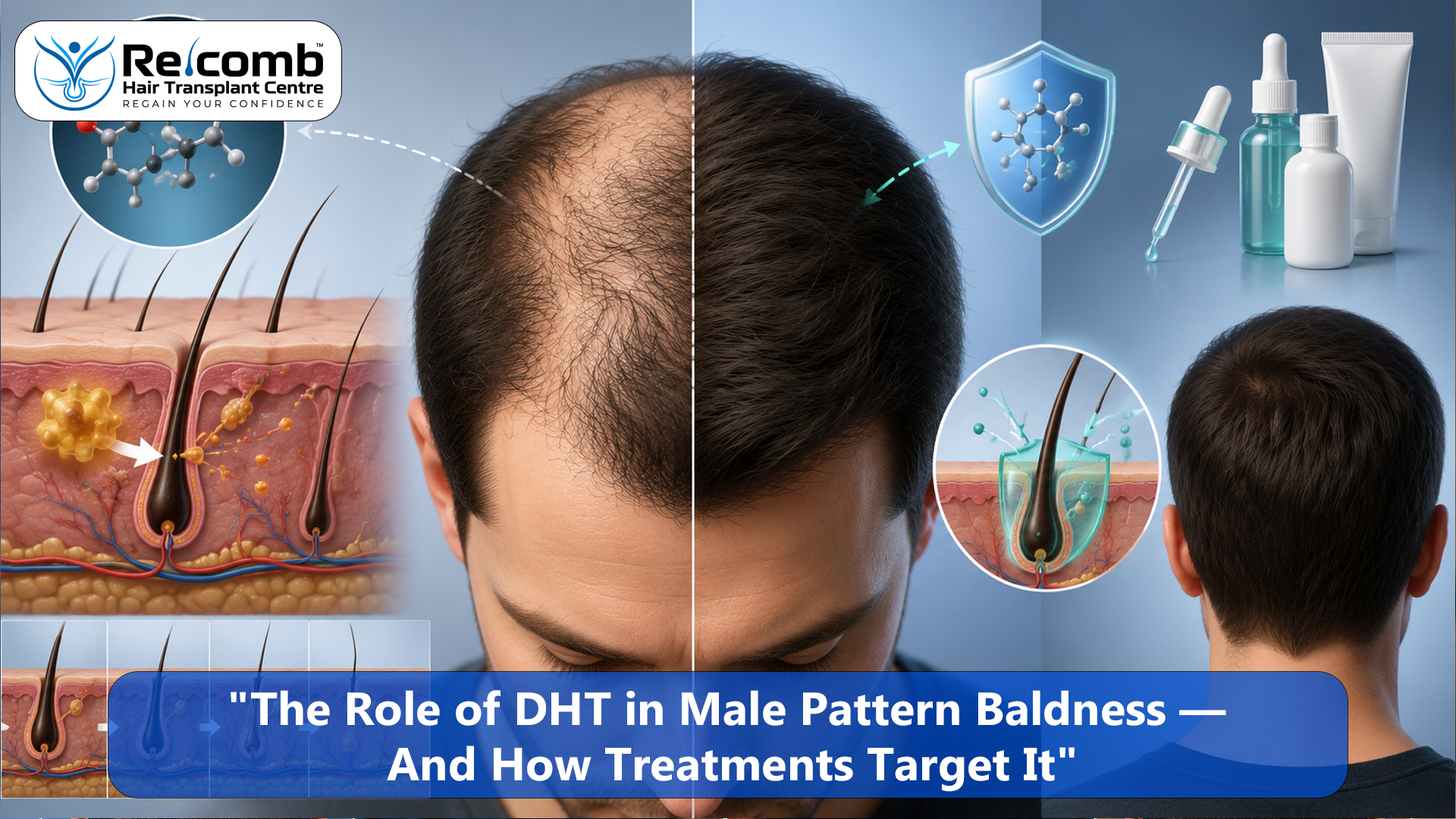
Hair loss, especially androgenetic alopecia, is primarily driven by DHT (dihydrotestosterone). For decades, treatment options have focused on oral or topical DHT blockers, often associated with systemic side effects.
Clascoterone is emerging as a new-generation topical anti-androgen that targets DHT locally at the hair follicle level, without significant systemic absorption. This makes it one of the most exciting developments in medical hair loss treatment in recent years.
At Recomb Hair Transplant Centre, Surat, we closely track such innovations to guide patients toward safer and more effective long-term solutions.
What Is Clascoterone?
Clascoterone is a topical androgen receptor inhibitor.
It works by blocking DHT from binding to androgen receptors in the skin, rather than reducing hormone levels throughout the body.
Key characteristics:
Acts locally on the scalp
Does not significantly alter blood hormone levels
Targets the root cause of pattern hair loss
Designed for long-term use
It is already approved in dermatology for acne, and its mechanism makes it highly relevant for hair loss treatment.
How Clascoterone Works for Hair Regrowth
In androgenetic alopecia:
DHT binds to hair follicle receptors
Follicles shrink (miniaturization)
Hair becomes thinner and eventually stops growing
Clascoterone works by:
Blocking DHT action at the follicle
Preventing miniaturization
Helping preserve existing hair
Supporting regrowth in early stages
Unlike oral DHT blockers, it does not suppress testosterone or DHT systemically.
How Is Clascoterone Different from Traditional Treatments?
Compared to Oral DHT Blockers
Does not significantly affect libido or hormones
Lower risk of systemic side effects
Acts only where applied
Compared to Topical Minoxidil
Targets hormonal cause, not just blood flow
Helps prevent progression of hair loss
Works best in combination therapy
Clascoterone is not a replacement for all treatments but may become a powerful add-on or alternative in selected patients.
Who Can Benefit from Clascoterone?
Clascoterone may be most effective for:
Early-stage androgenetic alopecia
Young patients with hair thinning
Patients intolerant to oral medications
Those focused on prevention rather than restoration
It is not suitable as a standalone solution for advanced baldness where follicles are already lost.
Limitations of Clascoterone
It is important to understand realistic expectations:
Best for hair preservation, not full restoration
Results depend on early use
Needs consistent long-term application
Advanced bald areas still require hair transplant
Still under active research for hair-specific approvals
At present, it should be considered part of a medical hair loss strategy, not a miracle cure.
Role of Clascoterone in a Complete Hair Loss Plan
At Recomb, advanced hair loss management follows a layered approach:
Medical therapy to stop progression
Growth factor therapies (PRP / GFC) to strengthen follicles
Nutritional correction
Hair transplant for permanent restoration where needed
Clascoterone may play a role in maintenance therapy, especially after hair transplant, to protect native hair.
Can Clascoterone Replace Hair Transplant?
No.
Clascoterone cannot regrow hair in areas where follicles are already destroyed.
Hair transplant remains the only permanent solution for:
Receded hairlines
Bald frontal zones
Crown baldness
Medical treatments like Clascoterone help protect what you still have.
Expert Opinion from Recomb Hair Transplant Centre
Clascoterone represents a shift toward localized, safer hormonal control in hair loss treatment.
While promising, it must be used with proper diagnosis, realistic expectations, and in combination with other proven therapies.
At Recomb Hair Transplant Centre, Surat, we guide patients based on evidence, not hype.
Biotin (Vitamin B7) plays a crucial role in hair growth, scalp health, and keratin production. A deficiency in biotin can lead to hair thinning, increased hair fall, and brittle hair. While supplements are often used, natural dietary sources of biotin are safer and more sustainable for long-term hair health.
At Recomb Hair Transplant Centre, Surat, we emphasize nutritional correction as a foundational step in hair loss treatment, especially for young adults and early hair thinning.
Why Is Biotin Important for Hair?
Biotin supports:
Keratin synthesis (the protein that forms hair)
Strengthening of hair shafts
Improved scalp health
Reduced hair breakage
Biotin deficiency is commonly seen in people with poor diets, digestive issues, excessive stress, or long-term medication use.
Top 10 Biotin-Rich Foods for Hair Growth
1. Eggs (Especially Egg Yolk)
Egg yolk is one of the richest natural sources of biotin.
It also provides protein, zinc, and selenium, which support hair strength and shine.
2. Nuts and Seeds
Almonds, walnuts, peanuts, sunflower seeds, and flaxseeds are excellent biotin sources.
They also contain omega-3 fatty acids that nourish hair follicles.
3. Sweet Potatoes
Rich in biotin and beta-carotene, sweet potatoes help maintain scalp health and hair elasticity.
4. Spinach and Leafy Greens
Spinach provides biotin along with iron, folate, and vitamin A, all of which are essential for healthy hair growth.
5. Bananas
Bananas supply biotin, silica, and potassium, helping improve hair strength and reduce breakage.
6. Avocados
Avocados contain biotin, healthy fats, and vitamin E, which enhance scalp circulation and follicle nourishment.
7. Whole Grains
Oats, brown rice, and whole wheat contain biotin and B-complex vitamins that support hair metabolism.
8. Dairy Products
Milk, yogurt, and cheese are good sources of biotin and protein, supporting hair shaft thickness and growth.
9. Legumes (Lentils, Chickpeas, Beans)
Legumes provide biotin, zinc, iron, and plant-based protein, making them ideal for vegetarians.
10. Mushrooms
Mushrooms contain biotin and antioxidants that support scalp immunity and hair follicle health.
How Much Biotin Do You Need?
The recommended daily intake of biotin for adults is approximately 30 micrograms per day.
Most people can meet this requirement through a balanced diet without supplements.
Biotin supplements should only be taken under medical supervision, as excessive intake may interfere with blood test results.
Can Biotin Alone Stop Hair Loss?
Biotin helps only if hair fall is due to nutritional deficiency.
It cannot treat genetic baldness (androgenetic alopecia) on its own.
Sudden patchy hair loss can be alarming, especially when it appears without pain or itching. This condition is commonly known as Alopecia Areata, an autoimmune disorder that causes round or oval bald patches on the scalp, beard, eyebrows, or other body areas.
At Recomb Hair Transplant Centre, Surat, alopecia areata is treated as a medical condition, not a cosmetic problem. With early diagnosis and proper therapy, most patients achieve significant or complete regrowth.
What Is Alopecia Areata?
Alopecia areata is an autoimmune disease in which the body’s immune system mistakenly attacks healthy hair follicles.
This disrupts the hair growth cycle and causes sudden hair shedding in patches.
Key features include:
Smooth, round or oval bald patches
No scarring or redness in most cases
Sudden onset
Can affect scalp, beard, eyebrows, eyelashes, or body hair
Hair follicles are not destroyed, which means regrowth is possible.
Types of Alopecia Areata
1. Alopecia Areata Patchy
The most common form, involving one or more bald patches.
2. Alopecia Totalis
Complete loss of scalp hair.
3. Alopecia Universalis
Loss of hair from the entire body.
4. Ophiasis Pattern
Hair loss occurs in a band-like pattern along the sides and back of the scalp.
Causes of Alopecia Areata
Alopecia areata is primarily caused by immune system dysfunction.
The immune cells attack hair follicles in the anagen (growth) phase, forcing them into a resting phase.
Major causes include:
Autoimmune tendency
Genetic predisposition
Association with thyroid disease, vitiligo, or diabetes
Common Triggers That Worsen Patchy Hair Loss
Although the root cause is autoimmune, several triggers can activate or worsen alopecia areata:
Severe Stress or Emotional Trauma
Viral Infections or Fever
Vaccinations (rare and temporary trigger)
Hormonal Changes
Nutritional Deficiencies (Vitamin D, Iron, B12)
Poor Sleep and Lifestyle Imbalance
Identifying and managing triggers is essential for long-term control.
Is Alopecia Areata Permanent?
In most cases, alopecia areata is reversible.
Hair follicles remain alive, and regrowth can occur naturally or with treatment.
However, the disease is unpredictable and may:
Resolve completely
Recur after months or years
Progress to extensive forms if untreated
Early treatment significantly improves outcomes.
Best Treatment Options for Alopecia Areata
1. Corticosteroid Therapy
Reduces immune attack on hair follicles.
Administered as topical, injectable, or oral forms depending on severity.
2. Immunotherapy
Used in resistant or recurrent cases to modulate immune response.
A receding hairline at age 22 can feel alarming and unexpected. However, early frontal hair thinning is extremely common in men due to genetics, hormones, and lifestyle factors. The positive news is that early-stage hairline recession is highly treatable, especially when addressed within the first 1–2 years of onset.
At Recomb Hair Transplant Centre, Surat, we see hundreds of young adults with early hairline recession and provide targeted, long-term solutions based on medical evaluation, scalp analysis, and genetic patterns.
Why Does a Hairline Recede at 22?
1. Genetics (Androgenetic Alopecia)
This is the number one cause. If your father, uncle, or grandfather had a receding hairline, you are more likely to experience it early.
This occurs due to DHT (Dihydrotestosterone) sensitivity, which shrinks hair follicles.
2. Stress & Sleep Irregularities
High stress increases cortisol levels, which disrupts the hair cycle and leads to early miniaturization.
3. Nutritional Deficiency
Low levels of vitamin D, B12, ferritin, and zinc are extremely common in young adults and directly weaken the hairline.
4. Hairstyles & Grooming Habits
Tight ponytails, frequent styling, or vigorous rubbing cause traction and mechanical damage.
5. Hormonal Fluctuations
Changes in testosterone and DHT levels during late teens and early twenties accelerate frontal hair loss in genetically predisposed individuals.
Signs of an Early Receding Hairline
Thinning at temples
M-shaped hairline
More visible scalp near the forehead
One side receding faster than the other
Rapid shedding around the front
Early detection is essential because the first 6–18 months offer the best window for recovery.
Prevention Plan for a Receding Hairline at 22
1. Start Medical Treatment Early
Medications help stabilize the hairline and prevent further recession.
A highly concentrated, next-generation growth factor treatment that strengthens follicles and reverses early miniaturization.
Ideal for: early recession and thinning.
2. PRP Therapy
Platelet-rich plasma strengthens weak follicles.
Useful for mild recession or early androgenetic alopecia.
3. Laser Hair Stimulation
Improves blood flow, reduces inflammation, and enhances the effect of other therapies.
4. Microneedling with Growth Serums
Improves penetration of growth agents and stimulates collagen around follicles.
If recession has already formed a clear M-shape or the temples have lost density, a hairline restoration transplant provides a permanent solution.
Sapphire blades ensure:
Natural angles
High density
Faster healing
Minimal scars
What Is the Best Age for a Hair Transplant?
A transplant can be done at 22–23 if:
Baldness pattern is stable
There is documented miniaturization
The patient is under medical therapy
The hairline design is conservative
At Recomb, we analyze family history, donor area, and scalp mapping before recommending a transplant for young patients.
Long-Term Maintenance Strategy
Follow a customized medical plan
Avoid over-shampooing or heavy oiling
Perform yearly scalp check-ups
Maintain balanced vitamin levels
Continue low-dose maintenance therapy based on medical advice
This ensures the hairline stays strong for decades.
PRP (Platelet-Rich Plasma) and GFC (Growth Factor Concentrate) are two of the most popular treatments for hair thinning and early baldness. Both use your own blood to stimulate hair follicles, but the technology, concentration, and results vary significantly.
At Recomb Hair Transplant Centre, Surat, we have treated thousands of patients with both PRP and GFC and have observed clear differences in their effectiveness, speed, and long-term outcomes.
This guide breaks down both treatments and helps you understand which delivers faster hair regrowth and stronger results.
What Is PRP?
PRP is a treatment where your blood is processed in a centrifuge to separate plasma that is rich in platelets. These platelets contain growth factors that support hair follicle repair and increase blood supply.
How PRP Works
Blood is collected
Spun at high speed
Platelet-rich layer is extracted
Injected into thinning scalp areas
Limitations of PRP
Platelet concentration varies from session to session
Contains red blood cells and white cells, which cause inflammation
Results depend heavily on machine speed, tubes, and technique
Requires more sessions (usually 6–8 sessions)
What Is GFC?
GFC is an advanced, next-generation therapy where only pure growth factors are extracted from your blood using a specialized kit. Unlike PRP, GFC is a cell-free, concentrated solution of growth factors, giving stronger, faster, and more predictable results.
How GFC Works
Blood is collected in a patented GFC tube
Growth factors are extracted without platelets or blood cells
Pure growth factor concentrate is injected into the scalp
Advantages of GFC
No red or white blood cells (less inflammation)
3–5 times higher growth factor concentration compared to PRP
Stronger follicle stimulation
Requires fewer sessions (typically 3–4 sessions)
Faster visible results
PRP vs GFC: Which Shows Faster Results?
Parameter
PRP
GFC
Result Speed
Slow to moderate
Faster (visible from 4–6 weeks)
Growth Factor Strength
Moderate
Very high
Pain & Inflammation
Higher (due to RBC/WBC)
Minimal
Number of Sessions
6–8
3–4
Consistency
Varies
Highly consistent
Best For
Budget-friendly options
Stronger results and faster regrowth
Clinical Observation at Recomb:
GFC consistently shows 30–40% faster improvement in hair density compared to PRP due to higher growth factor concentration and reduced inflammation.
Which One Should You Choose?
Choose PRP if:
You want an affordable option
You have mild hair fall
You can commit to multiple sessions
Choose GFC if:
You want faster and stronger hair regrowth
You have visible thinning or early baldness
You have failed to respond to PRP in the past
You want fewer sessions with better comfort
At Recomb, most patients with early to moderate hair loss prefer GFC for its faster and clearer results.